Top 10 Voice Controlled Smart Home Devices Android Users Must Try
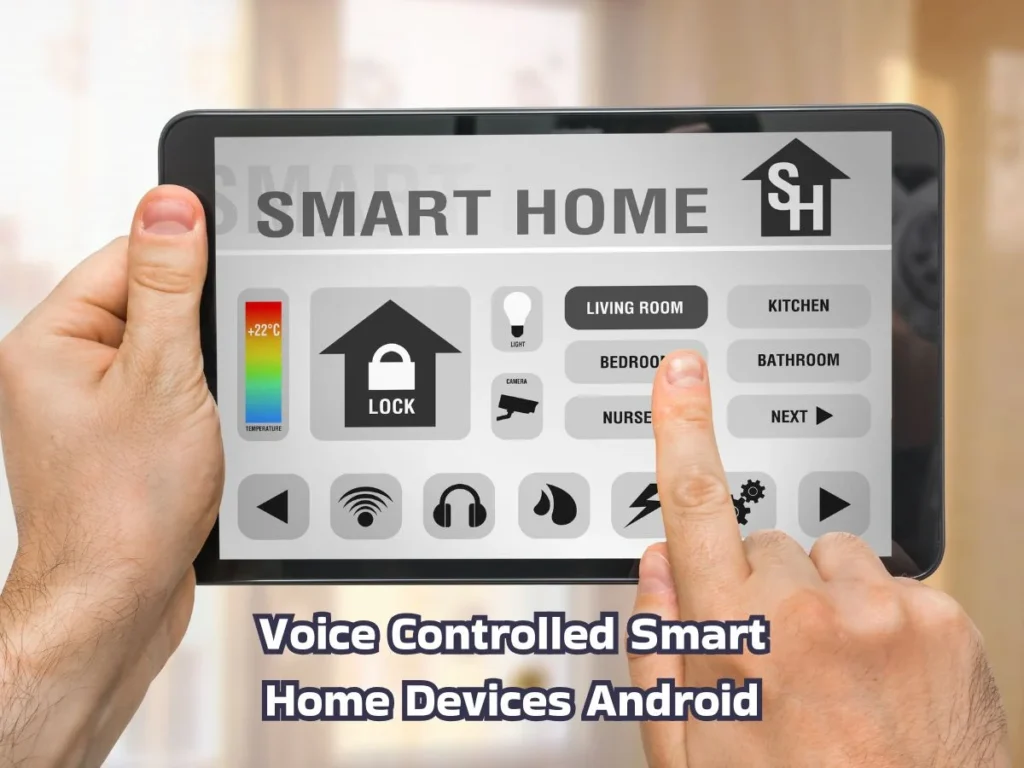
Introduction Imagine walking into your home after a long day and simply saying, “Turn on the lights,” and the lights brighten instantly. Or lying on your bed and asking, “Play my favorite song,” and the music starts playing. This isn’t science fiction anymore. It’s the power of voice controlled smart home devices android. These smart devices are changing how we live, offering convenience, comfort, and control at our fingertips—or rather, our voice. In this blog, we will explore how these devices work, their benefits, and how to use them effectively. What is Voice Controlled Smart Home Devices Android? Voice controlled smart home devices android are modern gadgets that allow you to manage your home using just your voice. They are connected to your Android device and respond to commands through virtual assistants like Google Assistant. These devices include smart lights, smart plugs, thermostats, cameras, speakers, and more. With the help of an internet connection, they receive and execute voice instructions, making your home smarter and more efficient. In simple terms, these are tools that help you control your home appliances without lifting a finger. You can say commands like “Turn off the fan,” or “Lock the front door,” and the system does it for you. It’s an easy and hands-free way to manage your living space. Top Benefits of Voice Controlled Smart Home Devices Android 1. Hands-Free Convenience One of the biggest advantages of voice controlled smart home devices android is the hands-free experience. You don’t have to reach for a switch or remote. Just speak, and it listens. 2. Time-Saving These devices help save precious time. You can multitask easily. For example, while cooking, you can ask your smart assistant to set a timer, play music, or even read out a recipe. 3. Increased Safety Smart locks, security cameras, and alarm systems can be controlled using voice commands. If you’re unsure whether the door is locked, just ask your device. 4. Energy Efficiency Smart home devices help reduce electricity consumption. You can program your lights to turn off automatically or adjust your thermostat based on your daily schedule. 5. Accessibility for Everyone Voice controlled smart home devices android are especially useful for elderly people and those with disabilities. They make daily tasks much easier and more manageable. 6. Customizable Settings You can personalize your commands and device responses. Want to dim your lights to 50% and play soft jazz when you say, “Relax mode”? It’s all possible. 7. Entertainment Made Easy Control your TV, music, and streaming services without touching a thing. A simple voice request can change channels, adjust volume, or start your favorite show. 8. Remote Access Even when you’re not home, you can use your Android phone to control your devices. This gives you complete control anytime, anywhere. How to Start Using Voice Controlled Smart Home Devices Android Step 1: Choose Your Assistant Decide which virtual assistant you want to use. For Android users, Google Assistant is the most common and easily accessible option. Step 2: Buy Compatible Devices Choose smart devices that work with Android and Google Assistant. Look for labels like “Works with Google.” Step 3: Set Up Your Devices Follow the instruction manual to set up each device. Usually, it involves connecting them to Wi-Fi and pairing with your Android phone. Step 4: Connect to Google Home App Download and install the Google Home app. Use it to link your smart devices and manage settings. Step 5: Train Your Assistant Set up your voice profile so the assistant recognizes your voice. This helps personalize the responses and actions. Step 6: Start Giving Commands Once everything is set up, start using voice commands. Try saying, “Hey Google, turn on the lights,” or “What’s the weather today?” Common Mistakes to Avoid 1. Ignoring Compatibility Always make sure the devices you buy are compatible with your Android system and Google Assistant. 2. Weak Wi-Fi Connection Smart devices need strong and stable internet. Poor Wi-Fi can lead to delayed responses or disconnection. 3. Skipping Software Updates Manufacturers often release updates for better performance. Ignoring them can cause issues in functionality. 4. Poor Voice Recognition Setup If you don’t train your assistant properly, it may not understand your commands. Always follow the setup instructions. 5. Not Naming Devices Clearly If you have multiple devices, give them unique names. Saying “Turn off the light” won’t work if you have five unnamed lights. Smart Tips and Tricks 1. Use Routines Set routines for different times of the day. For example, a “Good Morning” routine can turn on lights, read the news, and start the coffee machine. 2. Group Devices Control multiple devices with one command. For instance, say “Movie Time” to dim the lights and turn on the TV. 3. Voice Match Feature Use the voice match setting to ensure the device responds only to your voice and provides personalized answers. 4. Explore New Commands Regularly check the Google Assistant app for new voice command options and features. 5. Schedule Tasks Automate your home by scheduling tasks. For example, set your porch light to turn on at sunset. 6. Enable Notifications Allow notifications for important activities like motion detected by cameras or doors left unlocked. Real-Life Relevance Voice controlled smart home devices android are making life simpler every day. A busy mom can manage the kitchen while helping her child with homework. An elderly person can call for help without reaching the phone. A student can study while playing calm background music, adjusted by voice. Imagine leaving work and telling your assistant, “I’m on my way home.” Your smart home can then turn on lights, adjust temperature, and start your favorite playlist before you even arrive. Businesses also use smart devices for enhanced control and monitoring. Shops, clinics, and offices use them to improve customer experience and maintain safety. It’s not just about comfort. It’s about smarter living. Interclever embraces this modern technology by helping users find the right solutions for their smart homes. Conclusion Voice controlled smart home
10 Features of Smart Home: A Complete Guide to Modern Living
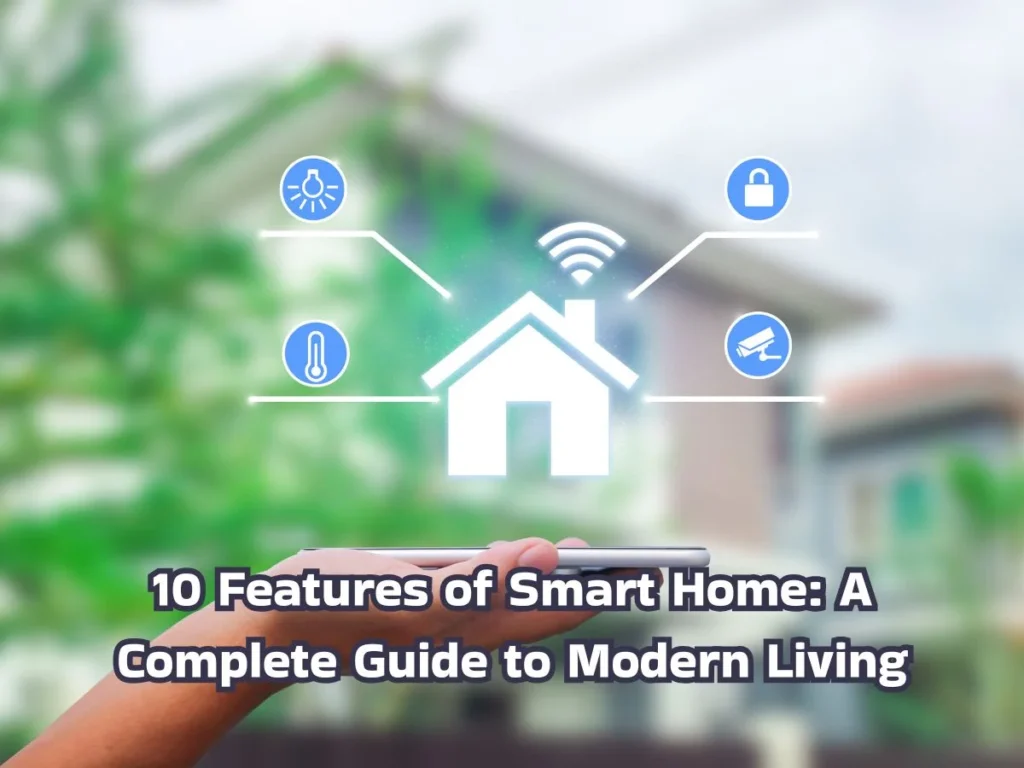
Introduction Imagine coming home to a place that understands your needs even before you say a word. A home where the lights adjust to your mood, the temperature changes as you prefer, and security is always on alert without any extra effort. This is the magic of a smart home. The world is evolving rapidly, and so is the way we live. Today, the concept of a smart home is no longer science fiction but a reality many are embracing. This blog will walk you through the 10 features of smart home that can transform your lifestyle, making daily life easier, safer, and more enjoyable. What is 10 Features of Smart Home? Before diving deep, let’s understand what the phrase 10 features of smart home means. A smart home refers to a living space equipped with technology that automates everyday tasks. These features are interconnected through the internet, allowing you to control devices remotely or let them work automatically. When we talk about 10 features of smart home, it means the key elements or technologies that make a home smart. These include smart lighting, security systems, climate control, and more. Each feature plays a role in enhancing convenience, safety, and energy efficiency. Top Benefits of 10 Features of Smart Home The benefits of having the 10 features of smart home go beyond convenience. First, energy savings is a major advantage. Smart thermostats and lighting can reduce electricity bills by adjusting usage based on your habits. Second, security improves dramatically with smart cameras and sensors that notify you of unusual activity in real-time. Third, comfort increases as you customize your environment with minimal effort. Fourth, smart homes provide accessibility, especially for elderly or disabled family members who might find manual controls challenging. Lastly, these features add value to your property, making it more attractive to future buyers. How to Start or Do 10 Features of Smart Home Starting with the 10 features of smart home might seem overwhelming, but with the right approach, it becomes simple and enjoyable. Common Mistakes to Avoid Even the best plans can stumble if certain mistakes are made. Here are some common errors to avoid when working with the 10 features of smart home: Avoiding these mistakes ensures a smooth and safe smart home experience. Smart Tips and Tricks To make the most of the 10 features of smart home, here are some expert tips you might not know: These tips enhance your control and comfort while maximizing the benefits of the 10 features of smart home. Real-Life Relevance The 10 features of smart home are not just technical toys—they impact real life significantly. Consider a working parent who can check if the kids arrived home safely through smart cameras or remotely adjust the thermostat to warm up the house before arriving. For seniors, features like automated lighting and voice control improve independence and reduce fall risks. Smart security systems deter burglars and give peace of mind. Energy-saving features help families reduce their carbon footprint and monthly bills. In all, these smart features bring safety, comfort, and savings into daily living. Conclusion The 10 features of smart home offer a powerful way to transform your living space into a modern, efficient, and secure environment. By understanding these features and implementing them thoughtfully, you gain control over your home like never before. This blend of convenience, safety, and energy efficiency makes smart homes an ideal choice for anyone wanting to improve their quality of life. Whether you are just starting or looking to upgrade, these features pave the way to a future-ready lifestyle.